Keloid Treatment in Hiranandani Estate, Thane

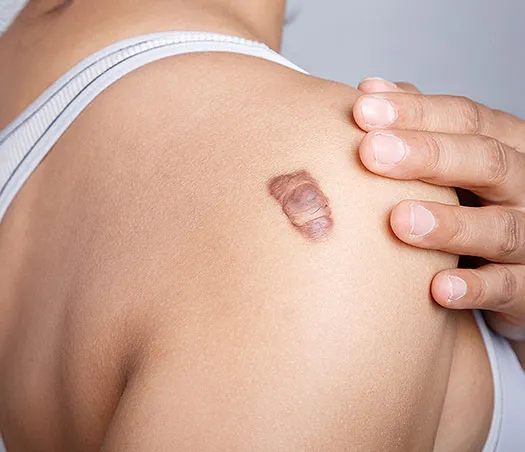
A keloid is a type of raised scar that develops when the skin heals excessively after an injury, extending beyond the original wound boundary. At The Skin Clinic, Dr. Vandita Hede offers Keloid Treatment in Hiranandani Estate, Thane, with a focus on understanding the nature of the scar before recommending a suitable management approach.
Dr. Vandita Hede, a distinguished dermatologist in Hiranandani Estate, Thane, evaluates each keloid based on its size, location, duration, and the patient’s skin and scarring history. According to her approach, keloids respond differently from patient to patient, so treatment is planned to address the specific characteristics of the scar rather than following a one-size-fits-all method. With a combination of medical and procedural options, patients can work towards visibly flatter and more comfortable-looking skin over time.
The Skin Clinic is an ultra-modern skin clinic in Thane offering advanced dermatology and aesthetic treatments under the expertise of Dr. Vandita Hede. With years of experience in medical and cosmetic dermatology, she provides personalised skin solutions based on individual concerns and skin types, including the assessment and management of keloids and other raised or problematic scars.
Wondering what makes a keloid different from an ordinary scar? Let’s understand this distinction before exploring treatment options.
What Is a Keloid and How Is It Different from a Hypertrophic Scar?
Cost of photo facial treatment in Hiranandani Estate, Thane will depend on the treated area, the number of sessions required, and the specific concern being addressed. For example, a single-area treatment like the face alone will cost less than a combination protocol covering face, neck, and hands together.
Cost could also vary depending on the depth of pigmentation, how many sessions are needed to reach your goal, or if photo facial is combined with other treatments. Only US FDA-approved IPL technology is used at The Skin Clinic to ensure safety and consistent results.
After Dr. Hede examines your skin at the consultation, a detailed plan together with accurate cost can be drawn up.
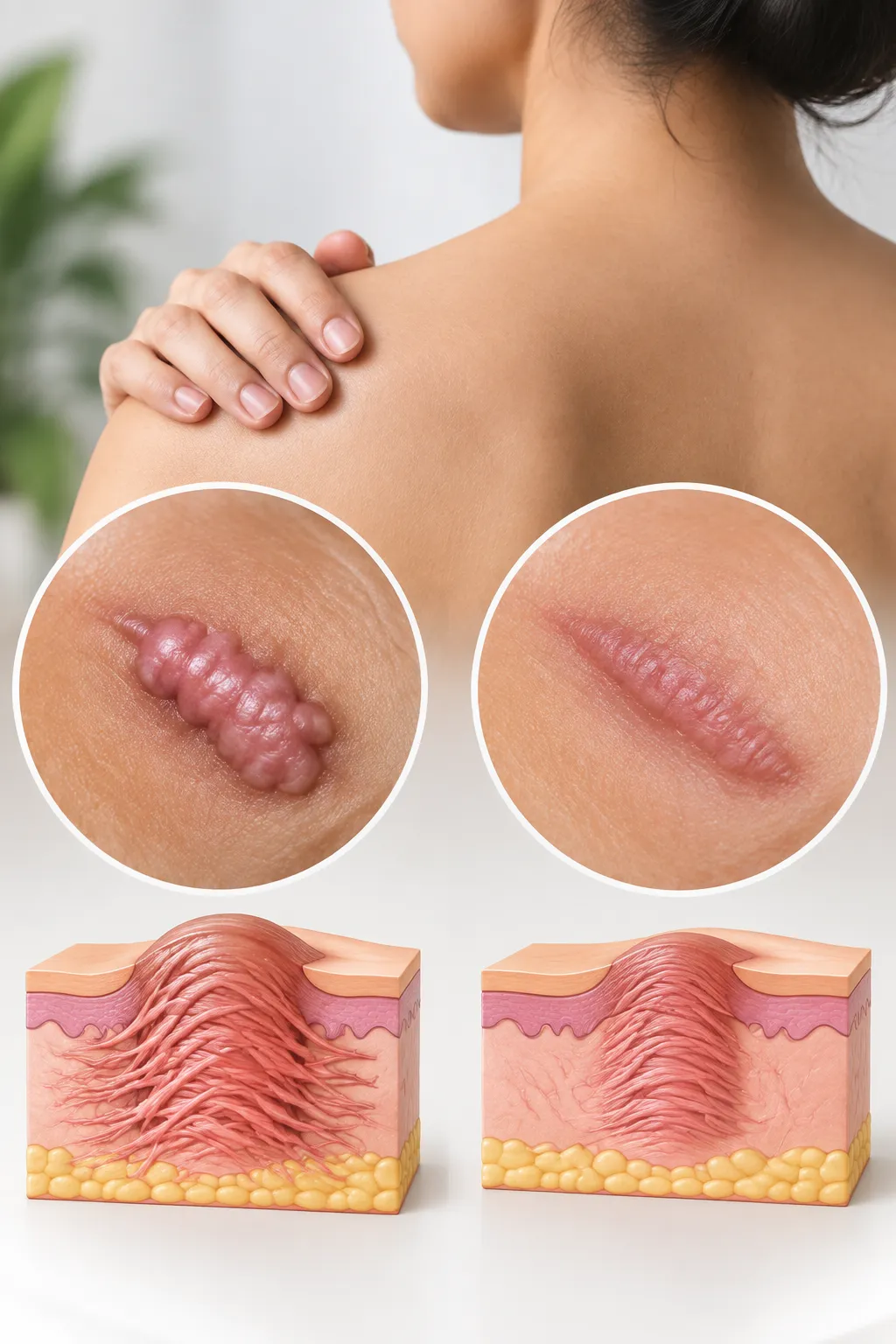
Curious about why keloids form in some individuals and not others? Let’s look at the common causes and risk factors.
What Causes Keloids to Form?
Keloids can develop when the skin’s repair response is more active than usual. Common triggers and contributing factors include:
A family history of keloid formation
Skin injuries such as cuts, burns, or surgical incisions
Acne scars, especially on the chest and back
Ear or body piercings
Vaccination or injection sites
Insect bites or minor skin trauma
Peculiar skin types that are more prone to getting excess scaring. Certain types of the skin are more scarring prone and have tendency to get over-scared.
Dr. Vandita Hede takes the scaring history of the individual, then checks which skin type the individual is. This is to evaluate to what extent the scarring can re Occur before going through with the treatment.
Which approaches does Dr. Vandita Hede consider for managing keloids? Let’s explore the treatment options available at The Skin Clinic
How Dr. Vandita Hede Approaches Keloid Treatment at The Skin Clinic
Keloid management is planned around the size, location, thickness, and age of the scar, along with the patient’s overall skin condition. Depending on individual assessment, Dr. Vandita Hede may recommend one approach or a combination of the following:
Each area is assessed separately for pigment depth and skin sensitivity during your consultation.
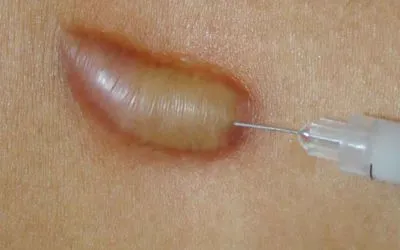
Intralesional Injections
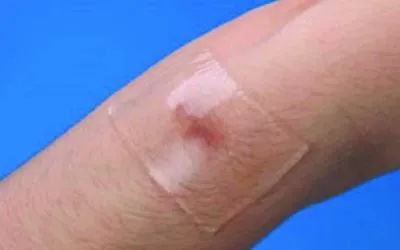
Silicone-Based Therapy
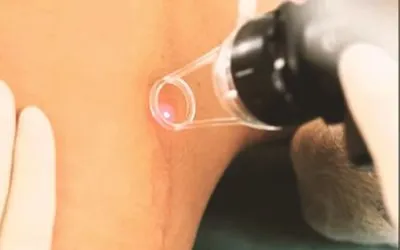
Laser-Assisted Treatment
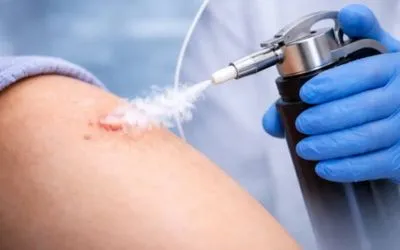
Cryotherapy

Surgical Excision with Adjunct Therapy
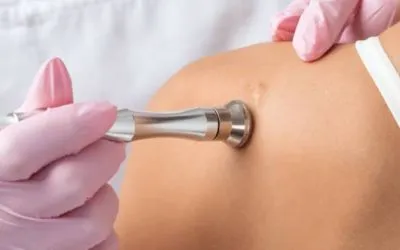
Pressure Therapy
Which individuals are generally considered for keloid treatment? Let’s look at who may benefit from an evaluation.
Who Should Consider Keloid Treatment?
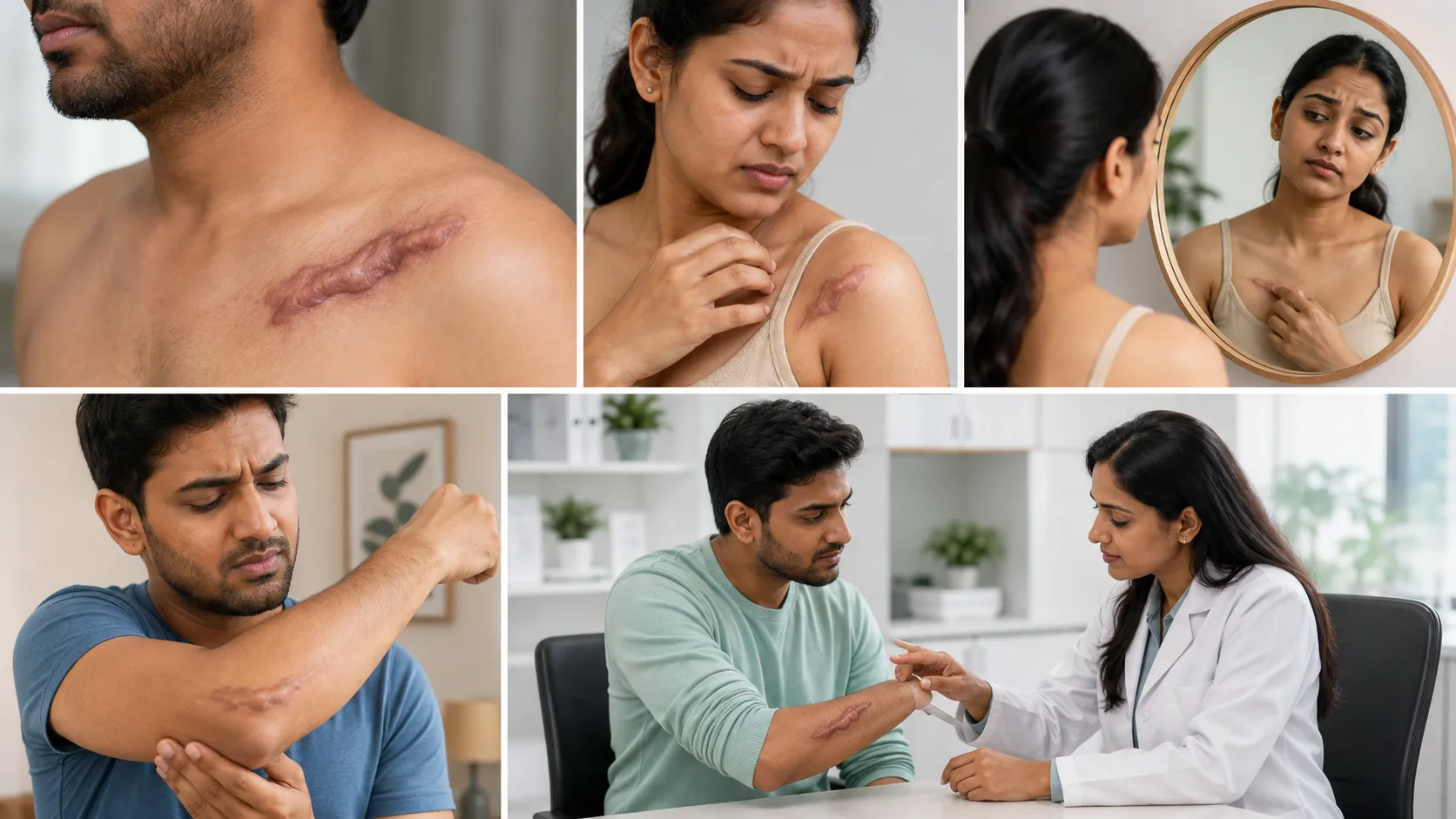
Curious about what to expect during a keloid consultation and treatment? Let’s walk through the process at The Skin Clinic.
How soon can improvement be expected after keloid treatment? Let’s understand the recovery process and what influences results.
The Keloid Treatment Process at The Skin Clinic
All the programmes begin with the examination of scar characteristics like the size, the position, and its history and followed by a review of appropriate treatments, the duration of treatment, and the chances of scar coming back after treatment.
Through a tailor-made evaluation of your scar, different therapeutic measures, and professional advice, The Skin Clinic’s keloid treatment programme aims at promoting more even surfaced and less painful skin eventually.
Interested in learning more about the cost of keloid treatment? Let’s understand the factors that influence treatment pricing.
Keloid Treatment Results & Recovery
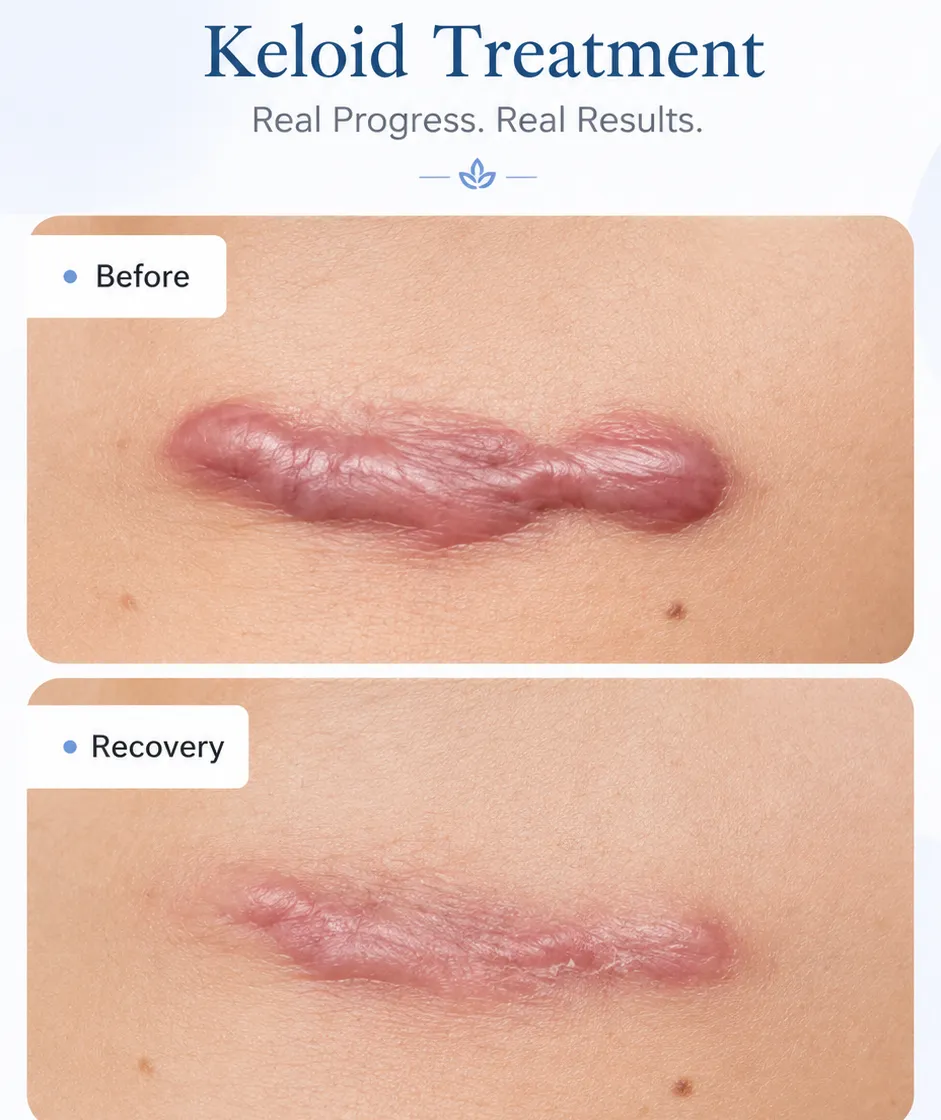
Want to know more about the treatment cost? Reach out today and get complete pricing details from a skincare specialist.
Keloid Treatment Cost in Hiranandani Estate, Thane
Factors that may influence the cost include:

The size and number of keloids being treated

The treatment method or combination of methods recommended

Number of sessions required

The location of the keloid on the body

History of prior treatment or recurrence

Additional skincare or follow-up requirements
Want to know more about the treatment cost? Reach out today and get complete pricing details from a skincare specialist.
Why Choose Dr. Vandita Hede for Keloid Treatment in Hiranandani Estate, Thane?

Experienced Dermatology Expertise
Dr. Vandita Hede is an esteemed dermatologist in Thane specialising in medical and aesthetic dermatology treatments.
Personalised Treatment Planning:
Every keloid treatment plan is based on the scar’s characteristics, the patient’s skin type, and history of scarring.
Range of Treatment Options:
Access to multiple approaches, used individually or in combination, depending on the case.
Focus on Recurrence Management:
Emphasis on monitoring and follow-up to help manage the chances of a keloid returning after treatment.
Comprehensive Skin Care Solutions:
Patients not only get treated for keloid, but are also able to try out other dermatological treatments available to them all at one single clinic.
High level Equipment
At the Skin Clinic patient comfort and modern technologies are used in a professional setting alongside skin disease knowledge and expertise.
Frequently Asked Questions
1. What sets keloids apart from the usual scars?
A keloid is a wound that extends beyond the boundaries of the initial injury and will probably keep expanding, whereas with a common scar, it normally remains to the same size at the wound site it was the size of.
2. Are keloids removable entirely?
Keloids can be treated to make them smaller, thinner, and less irritating, but since they tend to come back, follow-ups are often required to monitor them regularly.
3. Is the treatment of keloid painful?
In general, the discomfort will depend on the treatment method applied. Dr. Vandita Hede gives you the gist of what you will probably feel if a certain method of treatment is advised.
4. How many treatments will be necessary for removal of a keloid?
The number of treatments will be a function of the nature, position and medical history of the keloid as well as other factors. Your dermatologist can offer you the most appropriate treatment if he/she examines you physically and learns about your medical history.
5. Can keloids recur after treatment?
Keloid scars have the potential of coming back in the area they originally appeared after being treated.This recurrence is another reason why follow-up and regular treatments (if necessary) are part of the management plan.
6. Is it possible to prevent new keloids?
Persons with an increased risk of developing keloids might benefit from education on proper wound care and preventive methods that could help lower the chances of keloid formation after skin injuries.
7. At what point should one get a dermatologist if the condition is keloid?
You are better off getting the expertise of a dermatologist should a scar keep getting larger, or you are experiencing some sort of irritation or pain, or movement/apppearance is restricted.
Disclaimer: The information shared in this content is for educational purposes and not for promotional use.