
Hair Loss Treatment in Hiranandani Estate, Thane

Everyone loses hair. Normally, you should lose about 50 to 100 hairs a day, and most of the time you won’t notice them. It starts to worry when the comb fills up quicker than it used to, the drain in the bathroom keeps clogging, or if a narrow separation turns into a wide one because of the appearance of more scalp. Men, women and teens all complain about this and the reasons vary widely from one person to another. Dr. Vandita Hede at The Skin Clinic examines the type of hair loss, causes of the hair loss and the scalp’s appearance. Treatment is considered only after that.
Dr. Vandita Hede, a dermatologist in Hiranandani Estate, Thane, likes to start with the cause. Hair fall after a high fever, thinning that runs in the family, a bald patch that showed up overnight and breakage from tight braids can look the same in the mirror. They are not treated the same way. So the plan changes with your age, hair pattern, scalp condition, diet, medical history and daily habits.
The Skin Clinic in Thane was founded by Dr. Vandita Hede and covers both medical and aesthetic dermatology. She is a consultant dermatologist who sees children and adults for skin, hair and nail problems.
Is it just normal shedding, or something more? Here are the signs worth noticing.
Common Signs of Hair Loss
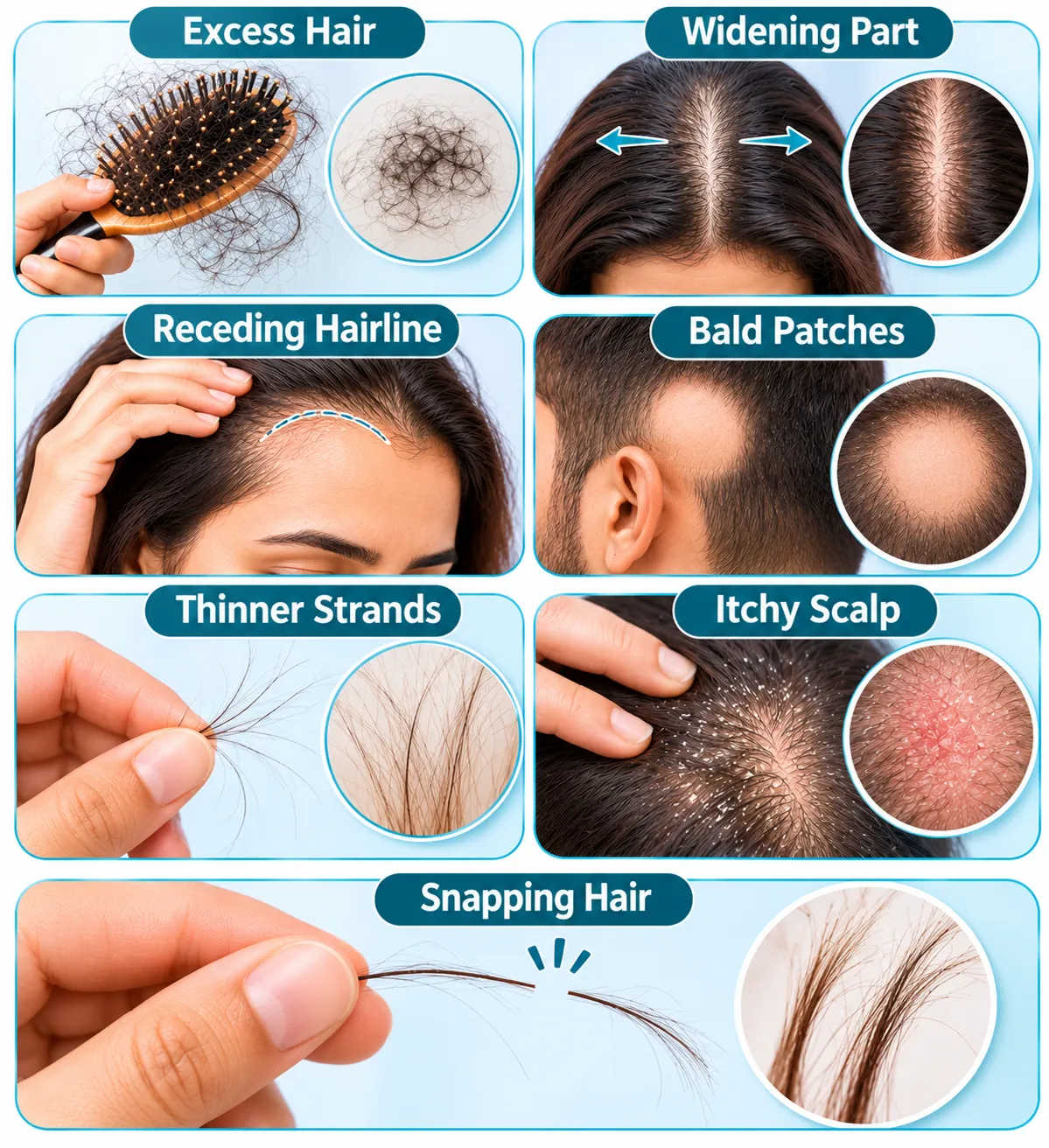
A hair grows for a few years, rests for a few months, falls and gets replaced. What you see as hair loss is that cycle going off track, or follicles slowly shrinking. Look out for:
Are all hair loss problems the same? Not really. Here are the main types.
Types of Hair Loss Evaluated at The Skin Clinic
Many of these look alike, so the diagnosis has to be clinical before anything is started.
So why does hair fall begin in the first place? Let’s go through the usual triggers.
Common Causes and Triggers of Hair Loss
Seldom is there just one reason. Two or three things usually add up. The ones seen most often:
If the parent(s) or grandparent(s) have a family history of thinning hair, you may be more likely to have it too.
Other issues such as thyroid, PCOS, pregnancy and post-pregnancy.
Low levels of iron, vitamin D, vitamin B12 and protein
Stress, sleeping and a major life change.
A history of a high fever, infection, surgery or extended illness 2-3 months prior
Some medicines, such as some used to treat high blood pressure, depression, acne or cancer
The crash diet and fast weight loss are not recommended.
Use of tight ponytails, heat styling, bleaching, colouring or straightening
The scalp is affected by dandruff and fungal infection and other scalp conditions.
Autoimmune conditions
When the trigger remains, the hair fall typically continues. Once you’ve found it, half the work is done.
How do doctors figure out what is causing it? Here is what happens during the consultation.
How Dr. Vandita Hede Evaluates Hair Loss
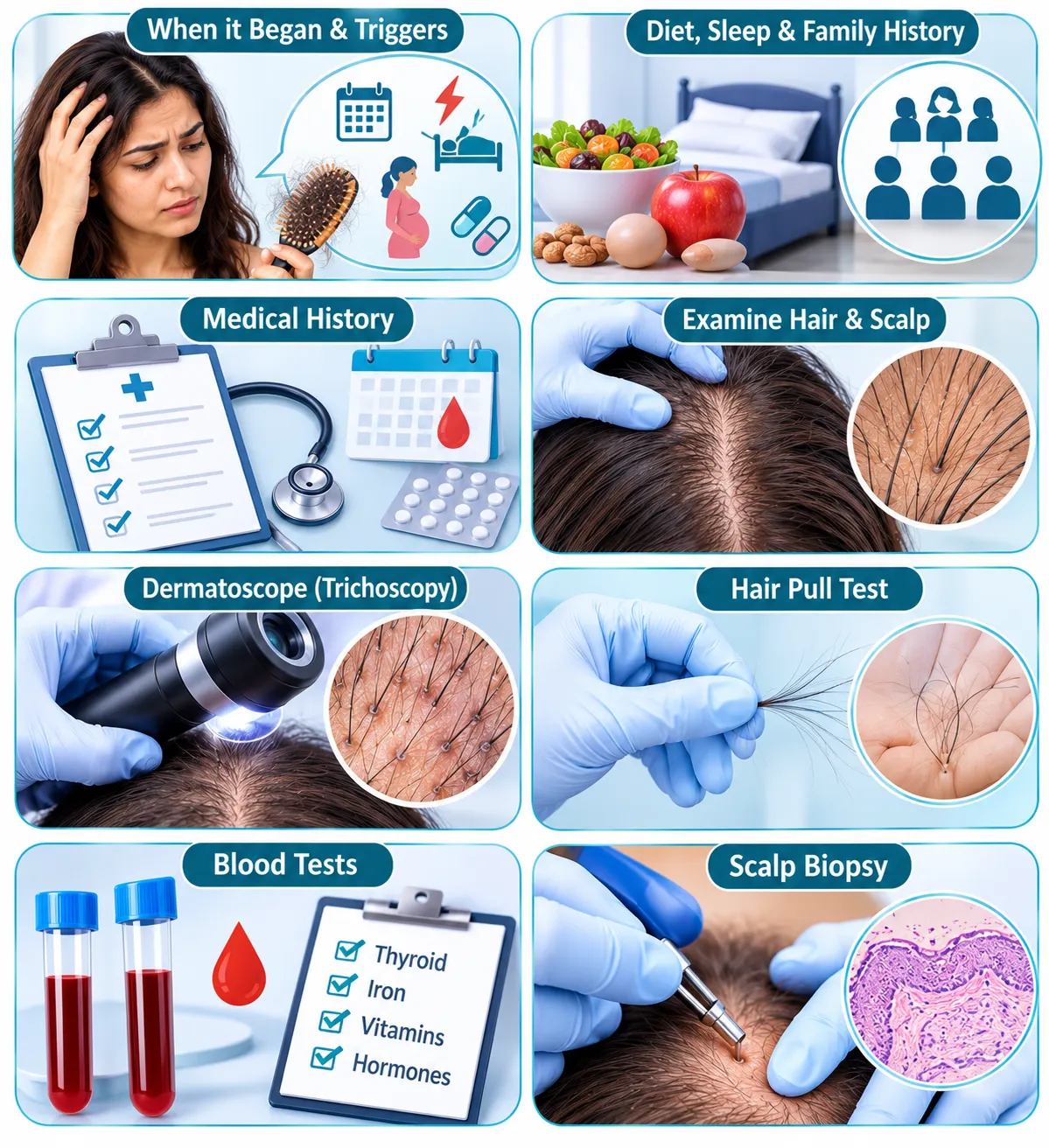
A hair consultation starts with talking, and then a proper look at the scalp. Dr. Vandita Hede may:
This avoids guesswork and saves you from buying products that may not suit your problem.
Now the main question. What does treatment actually involve?
Hair Loss Treatment Options in Hiranandani Estate, Thane
What is suggested depends on the type of hair loss, how long it has been going on, your age and what the examination shows. Some people need one thing, others need a combination.
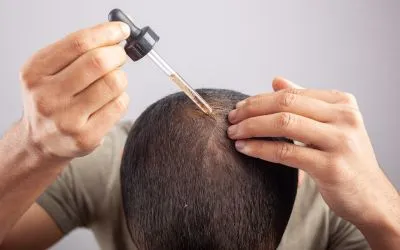
Topical medicines
prescription solutions or foams such as minoxidil, and medicated lotions for the scalp, used under supervision

Oral medicines
for selected patients, after checking they are suitable and safe. A few are not meant for everyone, women planning a pregnancy for example

Supplements
only when tests show a deficiency

Treatment of dandruff, seborrheic dermatitis or fungal infection
since these add to hair fall

Platelet-rich plasma (PRP)
in selected cases, along with other treatment
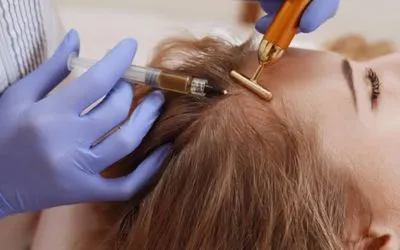
Mesotherapy
or other in-clinic procedures, decided case by case
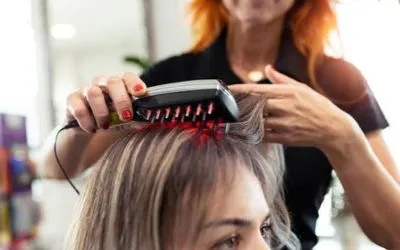
Low-level light therapy
in some patients as an add-on

Hair care advice
on washing, oiling, styling, heat and chemical treatments

Looking after the underlying problem
like thyroid or hormones, together with the concerned specialist
Home remedies, random products and social media tips tend to delay the real diagnosis, and some irritate the scalp. It is better to get it checked first.
Is it hair loss, or something that only looks like it? Let’s compare.
Hair Loss vs Other Similar Hair and Scalp Conditions
Treating the wrong problem costs months. In some types, starting early makes a real difference, which is why diagnosis comes first.
And how long will it take? Let’s set realistic expectations.
Hair Loss Treatment Results
This will vary with the type. Hair loss following a fever, delivery or stress usually subsides in a couple of months after the event, when the cause of the stress is addressed. In patterned or genetic type of hair loss, the hair will fall out again if treatment is stopped and typically requires ongoing treatment to maintain the results. Few spots of hair loss act differently for various people.
Hair changes take place over months, not weeks, as it grows slowly.
Some treatments cause a slight shedding, then it slows down.
Treatment works only if it is used regularly.
Once treatment is discontinued, patterned hair loss can recur.
A few individuals require more than a single type of treatment.
The follow-up visits allow the doctor to check on the plan and make adjustments as necessary.
The outcomes vary by patient and cannot be promised.
Should you see a dermatologist? Here is when it is time.
When Should You See a Dermatologist for Hair Loss?
Book a consultation if:
Hair fall has gone on for more than two or three months
Your parting is widening, your hairline is receding or the scalp is showing
Round bald patches have appeared on the scalp or beard
The hair loss started suddenly or is very heavy
The scalp is itchy, scaly, painful, red or has pus-filled bumps
It began after a new medicine, an illness, a delivery or a stressful period
You also feel tired all the time, or notice weight changes or irregular periods
Products and home remedies have not helped
A child or teenager is losing hair
Want to know more about the dermatologist you will consult? Here is what a consultation at The Skin Clinic involves.
Dr. Vandita Hede's Approach to Hair Loss Care in Hiranandani Estate, Thane
Dr. Vandita Hede starts by understanding the type of hair fall and its etiology and then designs the plan of treatment around the patient. In practice this translates to:

Diagnosis before treatment. History, scalp/hair examination, as needed.
A plan designed to suit the patient. There are many factors which include age, gender, hair pattern, scalp condition, medical history and lifestyle.
Whether it be a nutrition issue, hormones, stress reactions, medications or a scalp issue, triggers are sought and addressed.
Basic tips for washing, styling, lifestyle and food choices.
Information on options, time limits, limits and potential side effects are provided, allowing you to make an informed decision.
Follow up visits to ensure progress and adjust plan as appropriate.
In adults, and when clinically relevant in children, hair loss is assessed and issues such as dandruff or itchy scalps are discussed at the same appointment.
Frequently Asked Questions
What causes hair loss?
A number of possible causes exists. The typical ones are genes, hormones, thyroid issues, low iron or vitamin levels, stress, illness, some medications, tight hairstyles and scalp issues. Your dermatologist can help determine which of these is true by examining you.
How much hair drop is acceptable?
Around 50 to 100 hairs a day. If you are losing hair significantly more than that, or your hair seems thinner than ever, get it checked.
Is it possible to completely prevent hair loss?
It depends on the type. If it’s a temporary trigger, the hair loss typically stops after the trigger has been addressed. For pattern hair loss, the treatment is primarily aimed at slowing the hair loss down and maintaining what may have already been lost and the treatment is long term. The doctor can inform you of what you can expect in your situation.
Should I have blood tests for hair loss?
Not always. For example, thyroid, iron, vitamin D and B12 are recommended tests if you have a history and examination suggesting the cause. This is determined after the doctor has examined you.
Do hair supplements and biotin work?
The benefits of supplements will most frequently be seen when a deficiency has been established. They might not have any effect without a test, and some have side effects at high doses. Follow doctor’s orders.
Will hair grow back after treatment?
It can. Hair loss can also resume after being treated, and if the triggering factor is present again, hair loss can resume. It can be controlled with regular follow up.
Do women and men get hair loss alike?
Typically the pattern is— Men lose hair at the hairline and crown, while women tend to lose more hair around their crown and have a thinner parting. Additionally, thyroid, hormonal and nutritional factors are evaluated in women. Treatment is selected, as appropriate.
Disclaimer: The information shared in this content is for educational purposes and not for promotional use.